
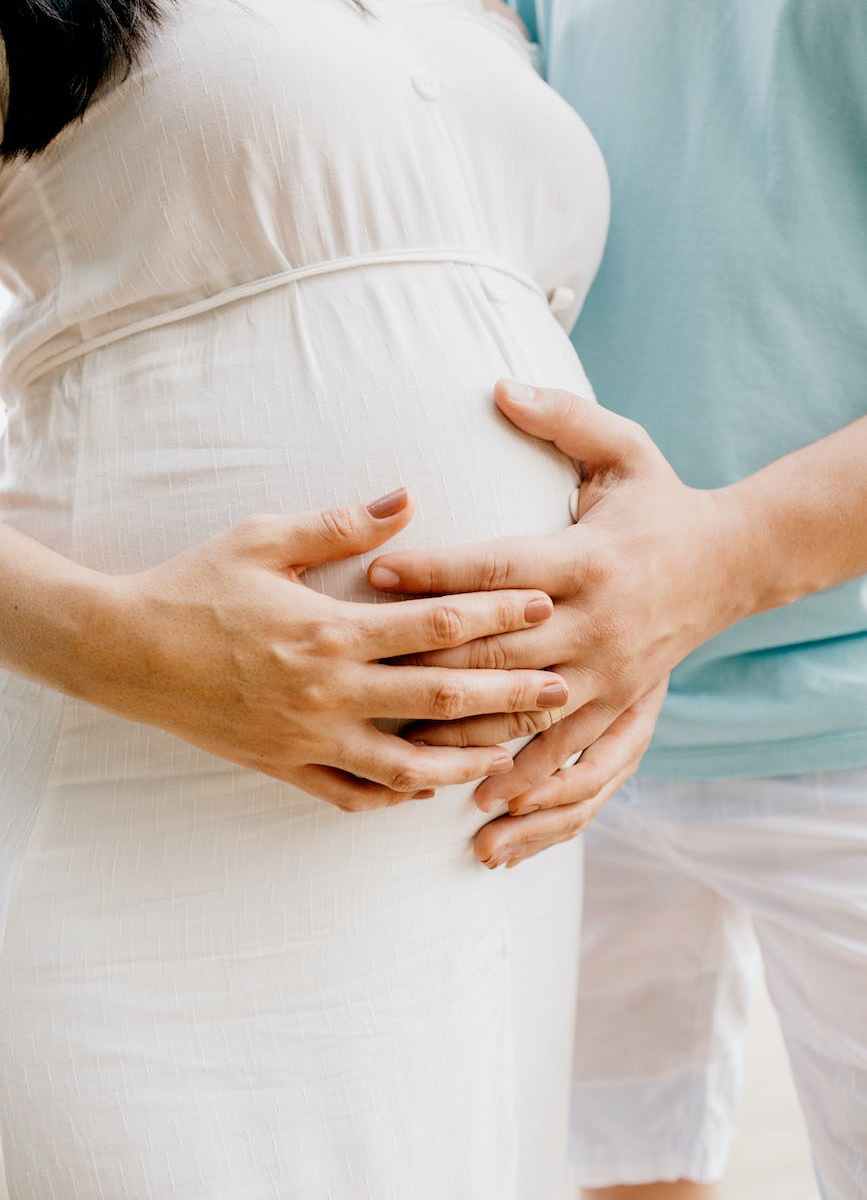
The first trimester of pregnancy is a period of great change for the expectant mother. This period marks the embryo’s growth and development. By week six, the embryo has reached about 2.5 cm in length and begins to take on human features. At this stage, the embryo already contains the heart, lungs, and gastrointestinal tract, and is beginning to form the spinal cord and the mouth. During this time, the mother is still unable to feel her baby, but it is now possible to detect a heartbeat. The fetus’s development is further accelerated with the development of the placenta and the baby’s body organs.
Pregnancy is a special time for women, and is associated with many cultural practices. In many traditional societies, pregnancy must precede marriage, and the mother is treated with great care. However, pregnancy can also lead to social and psychological pressure. In some traditional societies, pregnancy can even lead to ostracism.
The first trimester of pregnancy begins with the zygote developing in the fallopian tube. It then divides into 16 cells and moves toward the uterus. It may take a week or more for the embryo to reach the uterus. During this time, the uterine lining becomes plump and the embryo develops. This process is known as implantation. During this period, the zygote grows to about 1 inch in size and is already forming the lungs and heart.
Once a woman is pregnant, she goes through three trimesters, lasting about 40 weeks. Each trimester is divided into three months. The first trimester marks the time when conception takes place and the sperm fertilizes the egg. The fertilized egg then travels down the Fallopian tube and attaches to the uterus, where it forms the embryo and placenta. The risk of miscarriage is greatest during the first trimester. In the middle of the second trimester, you may begin to feel movement of the fetus.
 Pregnancy App